 As the leaves begin to change and temperatures start to drop, Arkansas backyard chicken keepers need to prepare their flocks for the seasonal shift. Fall brings a unique set of challenges, from molting and declining egg production to fluctuating temperatures across the state. Here’s what you need to know to keep your flock healthy and happy this autumn.
Know Your Local Regulations
Before expanding your flock or getting started, it’s worth noting that Arkansas has no statewide permit system for backyard chickens. This means rules and restrictions vary widely depending on where you live. Cities like Little Rock and Fayetteville, for example, typically ban roosters and limit flock sizes. Always check your specific municipal or county ordinances before making any changes to avoid potential fines or disputes with neighbors.
Fall Flock Care and Nutrition
Supporting Your Chickens Through Molting
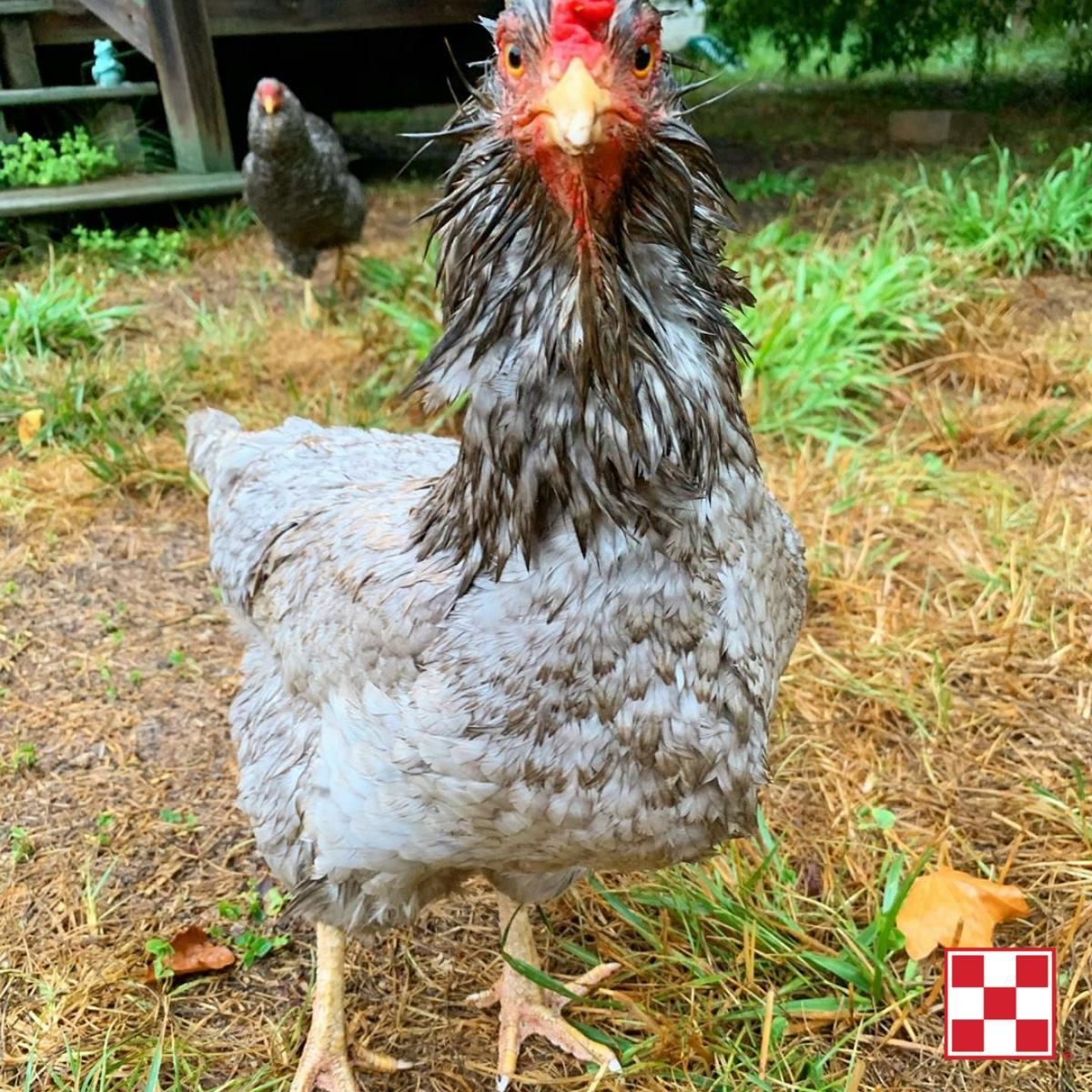
One of the most visible signs of fall is molting — the natural process by which chickens shed and regrow their feathers. While it can be alarming to see feathers scattered across your yard, molting is completely normal. That said, it does place a significant demand on your chickens’ bodies.
To help your flock through this period, switch to a high-protein feed (16–18%) and offer calcium supplements like crushed oyster shells. These will help your birds recover more quickly and maintain strong feather and egg quality once the molting season passes.
Managing Egg Production
Don’t be surprised if your hens slow down on egg production as fall sets in. Shorter daylight hours are a natural trigger for reduced laying, and this is completely normal. While some keepers turn to artificial lighting to maintain output, this can place unnecessary stress on your birds and disrupt their natural cycle. In most cases, it’s better to let your flock rest and recover during this quieter period.
Seasonal Treats to Supplement Their Diet
Fall is a great time to take advantage of seasonal produce to supplement your flock’s diet. Squash, pumpkin, and mealworms are all nutritious options that your chickens will love. Pumpkin seeds, in particular, are believed to act as a natural dewormer — making them an especially worthwhile addition to their autumn feeding routine. As with any treat, offer these in moderation alongside their regular feed.
Coop Prep and Maintenance
Prioritize Ventilation Over Sealing
When the temperature drops, it can be tempting to seal up the coop to keep the cold out. However, good airflow is essential for your flock’s health. A poorly ventilated coop traps moisture from chilly autumn morning dew, which can quickly lead to mold growth and respiratory issues in your birds. Instead, aim for a coop that is draft-free but still well-ventilated, striking the right balance between warmth and fresh air.
Try the Deep Litter Method
The deep litter method is a simple and cost-effective way to keep your coop warm and clean through the cooler months. By adding fresh layers of wood shavings and safe organic materials to the coop floor, you create natural insulation that also helps manage waste. As the litter breaks down, it generates a small amount of heat — a welcome bonus as temperatures continue to fall.
With a little preparation and the right care, your backyard flock can thrive throughout the Arkansas fall season. By staying on top of nutrition, coop maintenance, and local regulations, you’ll set your chickens up for a healthy and comfortable transition into winter. Your local Farmers Coop is here to help.